
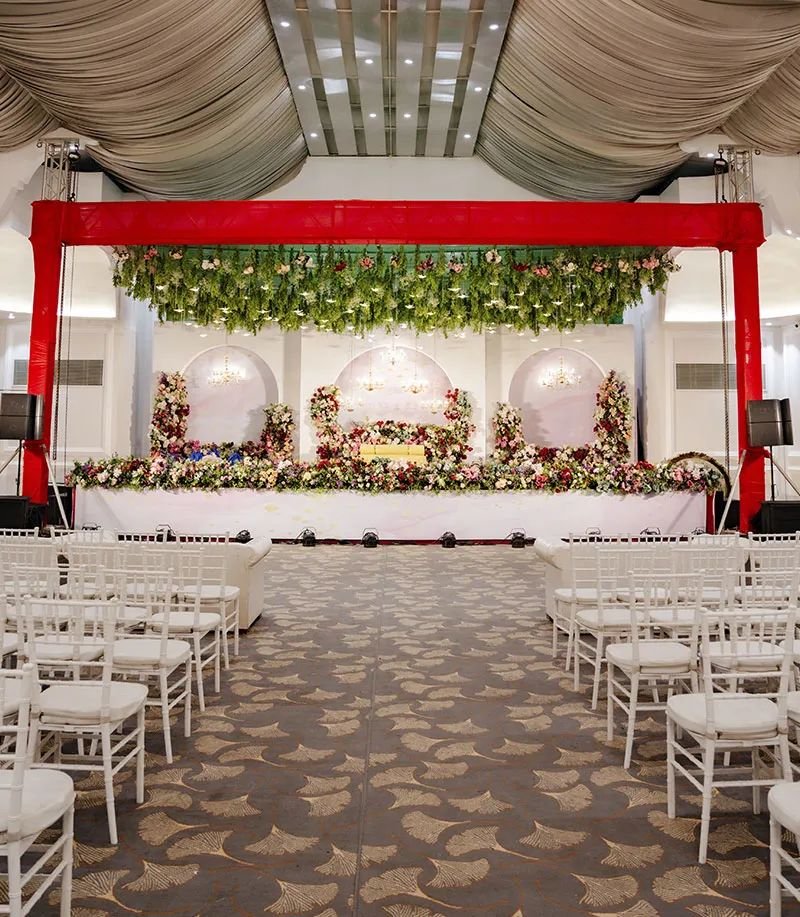
Haldi-kunku is one of the warmest parts of the Sankranti season in Maharashtra. Women invite each other home, apply turmeric (haldi) and vermilion (kunku), offer tilgul and give a small gift called the vaan. This guide explains the customs in plain terms, suggests vaan ideas for different kinds of guests, and gives a simple running order for a group haldi-kunku when your living room is no longer big enough. Customs vary by family and community, so use this as a starting point and follow what your elders do.
What is haldi-kunku, and when is it held?
In a haldi-kunku, women exchange haldi and kunku as a sign of good wishes, and the person hosting offers small gifts and sweets. The ceremony is especially common in Maharashtra, Karnataka, Telangana, Andhra Pradesh and Goa, and is held around Sankranti, among other occasions through the year. The state tourism department describes haldi-kunku gatherings for women as a lively part of Sankranti in Maharashtra.
Marathi sources say these gatherings are held at homes from Makar Sankranti up to Rathasaptami, and the host picks any convenient day in between. Rathasaptami moves each year with the panchang, so check a current panchang or ask your priest before you fix the date. Traditionally the invitation is for suhasini, meaning married women. How wide a host draws the circle is her own choice, and your family's custom comes first.
Tilgul and the Sankranti greeting
Sesame-and-jaggery sweets (tilgul) are the heart of the season. They are shared with the greeting Tilgul ghya, god god bola, which means "take this tilgul and speak sweetly". Many Marathi homes also make gulachi poli and til laddoos. At a group haldi-kunku, a small packet of tilgul with every vaan keeps the spirit of the greeting without any extra ceremony.
Why black on Sankranti?
Black is usually avoided on festival days, yet Sankranti is the exception in Maharashtra. Two explanations are commonly given. The practical one is that it falls in winter and black cloth absorbs heat. The traditional one links it to Shani: the Sun enters Makar, Shani's rashi, and black is the colour associated with Shani. Marathi writers also note that a bride's first Sankranti after marriage is special: she is traditionally gifted a black saree, and white halwa (sugar) jewellery stands out well against black.
If you are inviting a group, say in the invitation that black or dark colours are welcome, and that nobody needs to feel pressure. Some families wear other colours, and that is fine.
Vaan ideas
The vaan is a small gift, traditionally for a suhasini, and the giver holds it with the end of her pallu. Marathi articles describe vaan as a gesture of goodwill rather than a formality, so thoughtfulness matters more than size. Here are ideas drawn from traditional and current practice:
| Kind | Ideas | Works well for |
|---|---|---|
| Traditional | A kunku box (karanda), tikli or bindi, green bangles; grains such as til, wheat or harbhara; a sugad (small earthen pot) where the custom continues | Elders and a family gathering |
| Useful | A small potli or coin purse, a steel katori, a compact storage box or a haldi-kunku container | Mixed ages in a larger group |
| Green and home | A small tulsi, mint or aloe plant, a scented candle or diya | Younger guests and neighbours |
| The finishing touch | A small tilgul packet or a handwritten wish tucked in with the gift | Everyone |
A few practical tips:
- Give every guest the same vaan at a group event, so nobody compares.
- Choose by your guests' ages: elders often like traditional items, younger guests lean towards something useful.
- Label the tilgul packets. Sesame and groundnuts are common allergens, and some guests will want to check.
- Pack the vaan the day before and keep a few spares for unexpected arrivals.
A simple running order for a group haldi-kunku
At home the steps follow one another naturally. In a hall with many guests, a short plan keeps the line moving. A common sequence, based on how Marathi sources describe the ritual:
- Welcome and seating. Greet guests at the entrance with the Sankranti greeting and show them to their seats.
- Haldi-kunku. Apply haldi and kunku to each guest. Some families also offer attar (perfume).
- The oti (lap offering). Some families fill the guest's lap with bor (jujube berries) before giving the vaan; follow your own custom here.
- Vaan and tilgul. Hand over the vaan and tilgul with a namaskar and the greeting.
- Games. Housie, a quiz or ukhane (rhyming verses that carry a name) keep the afternoon light.
- Food. A seasonal lunch or high tea, with the tilgul sweets at the end.
- Photographs. Leave time for a group photo against the decor.
A hosting checklist
- Dates. Confirm the window for the year with a current panchang, then choose a date that works for most of your guests.
- Invitations. Send them well ahead, with the dress note, the venue and a start time.
- Seating. Plan a clear station for haldi-kunku so guests do not queue in the aisles. Keep chairs near the entrance for elders.
- Supplies. Haldi, kunku, a small plate and a few spare containers, plus tissues for guests who wish to tidy the tilak.
- Food. Light, seasonal and clearly labelled. Tell the caterer about Jain or satvik preferences early.
- Decor. Marigold, rangoli, a tilgul display and a photo corner in yellow and black are enough.
- Children. If there is a baby celebrating a first Sankranti, our post on bornahan and barsa covers the children's side of the season.
Hall or home?
A haldi-kunku at home suits a small circle. When the group grows, a hall gives everyone a seat, a station for the ritual and a proper place to serve lunch. Ladies' groups that already meet each month can fold the haldi-kunku into their regular get-together; our kitty party venue page explains how a gathering like that runs. If the haldi-kunku follows a pooja or a society function, see our pooja function page for how we plan the space around the ritual.
Planning your haldi-kunku at Balkrishna Banquets
Balkrishna Banquets in Mundhwa, Pune has one AC banquet hall and one open lawn. Here is how the food and the decor work for a group gathering:
- Food. In-house catering. Outside caterers are allowed with prior approval.
- Decor. Our in-house decor team can do the decor, and outside decorators are allowed.
Our decoration page explains how we plan the look with you, and menus are shared on request through catering. To talk about your date and group, send an enquiry or message us on WhatsApp at +91 90969 99947. Reply time: same day (next morning if after 8 PM). Site visits run 9:30 AM to 8 PM, every day. Drop in any time then, or message us to book a time and the right person will be free to show you around.