
New parents in Maharashtra often hear two words in the first weeks: barsa and bornahan. They sound alike but they are different ceremonies. One gives the baby a name; the other is a seasonal blessing around Sankranti. This guide explains both in plain terms, with a baby-safe checklist and notes on planning each in Pune. Customs vary by family and community, so treat this as a starting point and follow your elders' practice.
Barsa and bornahan: the difference
| Barsa | Bornahan | |
|---|---|---|
| What it is | The naming ceremony | A "berry bath": treats poured over a child at Sankranti |
| When | Commonly the twelfth day after birth; some families choose a later day | Between Makar Sankranti and Rathasaptami |
| Who it is for | The newborn | Mostly young children, from a first Sankranti up to about five; some families continue to a later age |
| The mood | Quiet and ritual, with the family gathered round the cradle | Playful, with other children collecting the treats |
A baby born in autumn can have a barsa within weeks of birth and a bornahan at the first Sankranti. They are separate occasions, and you can hold either without the other.
The barsa: what usually happens
Marathi sources describe the barsa as the ceremony in which the baby gets a name, and the word itself points to the twelfth day. Families who prefer another date follow a muhurat from the panchang, and some wait until the baby is a little over a month old. The common elements are:
- The cradle (palna). The baby is laid in a decorated cradle, with flowers and coloured cloth. Some families first place a pestle (varvanta) in it, dressed like a baby, a custom that is explained as protection from the evil eye.
- The name. In Maharashtra the baby's paternal aunt (atya) traditionally announces the name, and she may whisper it to the baby first. Other families have the father or an elder whisper it in the baby's right ear. A priest or astrologer may suggest a starting letter from the baby's rashi.
- Blessings and sweets. Guests bless the baby with akshata, and batasa or other sweets are shared. A meal often follows.
If your family sings cradle songs (palna geet), tell the venue and the photographer so there is room for the women to gather round the palna.
A short checklist for the barsa
- Confirm the date with your priest or the panchang, and consult the mother's doctor about her recovery.
- Decide who announces the name, and settle the shortlist of names in advance.
- Arrange the cradle, flowers, akshata, sweets and a plate for the aukshan.
- Agree a short programme, so the baby is not kept awake in a crowd.
- Plan a quiet corner where the mother can feed and settle the baby.
- Check with the caterer about elders' food needs, such as a satvik or Jain meal.
Bornahan: what it is and how it is done
The word joins bor (jujube berries) and nahan (bath). Marathi articles say it is held between Makar Sankranti and Rathasaptami on any convenient day in that window. Rathasaptami moves each year with the panchang, so check a current one. The ritual is usually described for young children from their first Sankranti, often up to about five, and some sources extend it further.
Traditional explanations include protection from the evil eye, and a link to baby Krishna. Another reading is that the season is changing and children are given seasonal fruits to welcome it. Treat these as traditions, not medical claims.
What families typically prepare
- Black clothes. A black frock for a girl or a black kurta for a boy, with a black sweater if it is cold.
- Halwa jewellery (halwyache dagine). Sugar ornaments made from sesame, sago and sugar, such as a crown, necklace and bangles. White halwa stands out well against black.
- The aukshan plate. Haldi-kunku, a lamp, supari, a gold coin, akshata and cotton.
- The mixture. Bor, sugarcane pieces, groundnut pods, puffed rice (murmura or lahya), roasted chickpeas, batasa, sesame sweets, and sometimes chocolates or biscuits.
The usual order
- Seat the child on a low seat (pat) and dress them with the halwa jewellery.
- Elder women perform the aukshan.
- Pour the mixture gently over the child's head while everyone says the name of the ritual. An umbrella held above is sometimes used to shield the child.
- The other children gather and eat what falls.
- Bathe the child afterwards, dress them in regular clothes, share tilgul and serve a family meal.
Some families follow the bornahan with a haldi-kunku gathering for the women; our post on haldi-kunku ideas covers vaan, tilgul and a simple running order.
Keep it safe for the baby
Bornahan is lively, so plan for the youngest child. Groundnut pods, roasted chickpeas, sugarcane pieces, whole bor with their stones and hard sweets are choking hazards for babies and toddlers; the American Academy of Pediatrics lists nuts, seeds and hard candy among them. For a baby, pour only soft treats such as puffed rice from a low height, or pour the full mixture around the child rather than over them, and let the older children collect the firm items. Watch a baby wearing sugar jewellery the whole time, keep sesame and groundnut in mind for allergies, and let the baby's nap and feed decide the timing. If you are unsure about any item, ask your paediatrician.
A calm timeline for the day
- Before. Prepare the jewellery, outfit and mixture the day before. Pack spare clothes, a towel and baby essentials.
- Arrival. Let the baby settle, then feed. Seat elders near the front.
- Ceremony. Keep the programme short and watch the baby rather than the clock.
- Meal. Serve the guests while the baby rests.
- After. Hand out tilgul or a small return gift as guests leave.
Planning the day at Balkrishna Banquets
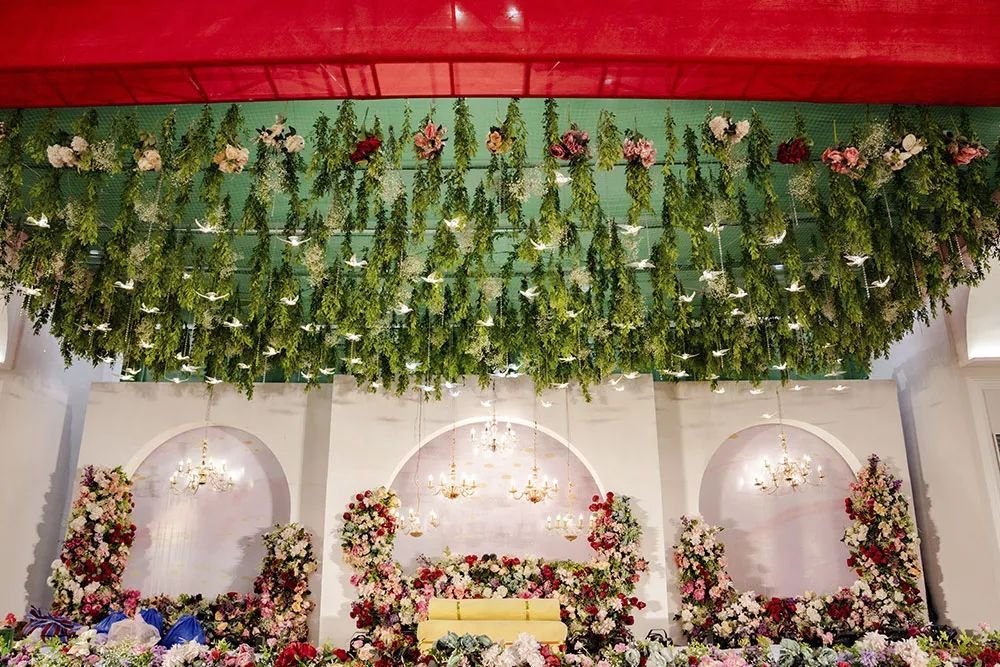
Balkrishna Banquets in Mundhwa, Pune has one AC banquet hall and one open lawn. A hall can suit a barsa when relatives travel in and a home feels full; see our naming ceremony page. For the practical side:
- Food. In-house catering. Outside caterers are allowed with prior approval.
- Decor. Our in-house decor team can do the decor, and outside decorators are allowed.
If you celebrated a dohale jevan with us, or are planning the first birthday next, our kids' birthday page has ideas. Send us your date and the ceremony you plan through the enquiry form, or message us on WhatsApp at +91 90969 99947. Reply time: same day (next morning if after 8 PM). Site visits run 9:30 AM to 8 PM, every day. Drop in any time then, or message us to book a time and the right person will be free to show you around.